

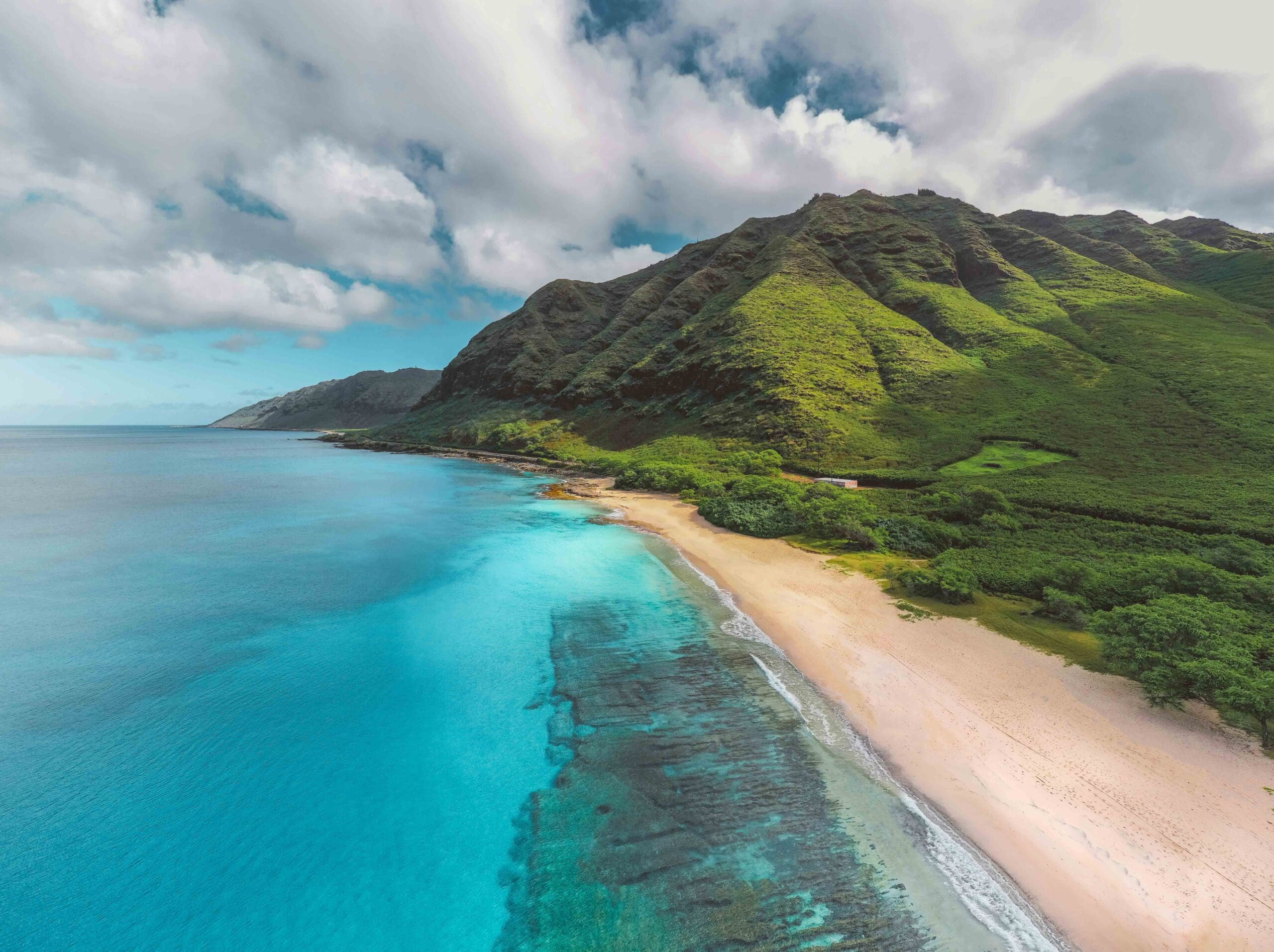
Island-by-island Hawaii luxury travel guide with specific hotel picks, honest advice, and insider tips from IMERA Luxury Travel.
How I Choose the Right Hawaii Island for Every Client
April 17, 2026
Choosing the right Hawaii island is the first decision I make with almost every client who puts Hawaii on their list, and it shapes everything else. Think of this as your Hawaii luxury travel guide: the four main islands feel completely different from each other, and picking the right one changes everything. Maui and the Big Island aren’t interchangeable. Neither are Oahu and Kauaʻi.
At IMERA Luxury Travel, most of our Hawaii trips are either one island done well or a two-island combination built around pace and priorities. Here’s how I think about each one.
How Long to Stay, When to Book, and What You Get with an Advisor
Why I Recommend One Island Per Week
My rule is simple: if you have one week, do one island. If you have two weeks, do two. I’d rather have a client spend 7 nights really settled into one place than rush two islands. The travel overhead between islands eats more time than people expect, and the best resort experiences don’t really open up until day three.
Five nights is the minimum I’d recommend per island. Seven is the sweet spot. Anything less and you’re barely unpacked before you’re packing again.
Book 6 to 12 Months Out for Peak Dates
The top resorts in Hawaii (Four Seasons Hualālai, Kona Village, 1 Hotel Hanalei Bay) book out 6 to 12 months in advance for peak dates. If you’re planning a December, spring break, or summer trip, earlier is always better. I’ve seen clients lose their first-choice property by waiting two months too long.
As a Fora and Virtuoso advisor, I book IMERA Luxury Travel clients with preferred partner status at all of the properties mentioned in this guide. That means confirmed perks at time of booking, not a request. Typical benefits include daily breakfast for two, a resort or spa credit (usually $100), a welcome amenity, room upgrade at check-in when available, and early check-in or late check-out. These don’t show up when you book direct.
Big Island
The Big Island is one of my favorite choices for travelers who want a stronger sense of place. It’s bigger, more varied, and a little wilder than the other islands, roughly the size of Connecticut. I tend to send clients here when they want genuine luxury but also want to feel connected to the landscape, not just parked at a pool.
Where to Stay on the Big Island
Mauna Lani, Auberge Resorts Collection: Polished, relaxed, and understated. Great design, strong family appeal, and a resort that still feels current and connected to nature.
Four Seasons Resort Hualālai: The most well-rounded luxury option on the island. Highly service-driven, incredibly consistent, and one of the easiest luxury stays in Hawaii for both couples and families.
Kona Village, A Rosewood Resort: The most distinct and design-forward of the three. More private, more romantic, more experiential. Ideal for clients who want something special and completely different.
How I Match Clients to Big Island Hotels
- Auberge (Mauna Lani): stylish, relaxed, family-friendly
- Four Seasons Hualālai: most polished and consistent overall
- Rosewood Kona Village: most intimate and design-forward
Best Experiences on the Big Island
Snorkeling with manta rays: This is the experience I push hardest on the Big Island. You go out at night, float above the reef, and watch manta rays (some with wingspans over 10 feet) feed just below you. I’ve had clients text me photos from the boat months later. It sticks with you. Book it early; spots fill fast.
Volcano and crater hiking: Hawaiʻi Volcanoes National Park covers over 330,000 acres and includes active lava fields, steam vents, and some of the most surreal terrain on earth. The Kīlauea Iki trail is accessible and deeply impressive. For clients who want to go deeper, there are guided experiences that get you much closer to the action.
Ocean activities along the Kohala Coast: The calm, clear waters off the Kohala Coast are excellent for snorkeling, paddleboarding, and outrigger canoe. Most of the top resorts have direct beach or cove access. Four Seasons Hualālai and Mauna Lani both offer well-run water sports programs.
Cultural and wellness experiences: Kona Village does this particularly well. Traditional Hawaiian cultural programming, outrigger canoe lessons, and a genuine sense of place that most resorts don’t bother with. For clients who want their trip to feel immersive rather than just luxurious, this matters.
Bottom line: If your client wants a luxury trip that also feels adventurous and grounded, the Big Island is the call.
Maui
Maui is typically the easiest island to recommend. It does a lot really well: beautiful beaches, strong resorts, great dining, and a solid balance of relaxation and activity. But one thing matters more than most people expect: microclimates.
- Wailea (South Maui): sunnier, drier, more consistent weather
- Kapalua (West/Northwest Maui): greener, lusher, slightly moodier
That choice shapes your day-to-day experience more than any other single decision. I ask about it before I recommend a resort.
Where to Stay on Maui
Four Seasons Resort Maui at Wailea: The most polished luxury option in Wailea. A reliable, high-end recommendation with easy access to everything.
Fairmont Kea Lani: Suite-style accommodations, great for families, and more space than you’d expect. Also in Wailea.
Andaz Maui at Wailea Resort: Modern, stylish, and more social. A great fit for couples or clients who want a trendier feel.
The Ritz-Carlton Maui, Kapalua: Lusher, more remote, and more nature-forward. A completely different feel from Wailea, and the right call for the right client.
How I Match Clients to Maui Hotels
- Four Seasons Maui: best all-around luxury in Wailea
- Fairmont Kea Lani: best for space and families
- Andaz Maui: best for modern, couple-friendly stays
- Ritz Kapalua: best for nature and a more tucked-away feel
What I Recommend Doing on Maui
Road to Hāna: A full day, and worth every hour of it. The road winds 64 miles through rainforest, past waterfalls, and along dramatic coastline. Most people rush it. I tell clients to slow down, stop often, and build in extra time for the black sand beach at Waiʻanapanapa State Park. Don’t try to do it the day before a flight.
Haleakalā sunrise or sunset: The summit sits at 10,023 feet. Watching the sun break through the clouds when you’re standing above them at that elevation is something you don’t forget. Sunrise requires an early wake-up (think 3am departure), but clients who do it almost never regret it. Sunset is a more relaxed option and still stunning.
Snorkeling at Molokini Crater and Kapalua Bay: Molokini is a partially submerged volcanic crater about three miles offshore with exceptional visibility and dense fish life. Kapalua Bay is calmer and more accessible, making it a great option for families or less experienced swimmers.
Coastal walks and hiking in Kapalua: The Kapalua Coastal Trail connects several bays along a dramatic stretch of coastline. It’s easy, beautiful, and one of the most underrated things to do on Maui. Pair it with breakfast at a Kapalua restaurant and you’ve got a great morning.
Bottom line: Maui is my default recommendation for first-time Hawaii travelers who want luxury without friction. Start in Wailea, adjust from there.
Oahu
Oahu is the island I’m probably the most opinionated about. I don’t love Waikiki, and I know that’s a polarizing take. For some travelers it works, but for many of my clients it feels too crowded and too far from the Hawaii they were imagining.
That said, I genuinely love Oahu for the right traveler. The food scene is strong, the culture is rich, and if you stay in the right place, it’s an incredible trip. One of the best family trips I’ve planned started at Aulani on Oahu and then moved over to Wailea. The kids were thrilled at Aulani, and the parents got their Maui reset at the end. Read more about how I plan family travel → https://imeraluxurytravel.com/best-luxury-family-beach-resorts-tried-tested-and-worth-it/
Where to Stay on Oahu
Aulani, A Disney Resort & Spa: I love Aulani for certain families, including mine. It’s easy, fun, and brilliantly designed for kids (lazy river, character experiences, kids’ club) while still feeling like Hawaii. Not a fit for every client, but for families with young kids, it’s hard to beat.
Four Seasons Resort Oahu at Ko Olina: Polished, calm, and completely removed from the energy of Waikiki. A great luxury option that still feels accessible, and the lagoon at Ko Olina is excellent for swimming.
The Ritz-Carlton Oahu, Turtle Bay: Set on the North Shore, this one feels rugged, outdoorsy, and connected to the landscape in a way the other Oahu properties don’t. A different trip entirely.
How I Match Clients to Oahu Hotels
- Aulani: best for families and ease
- Four Seasons Ko Olina: best for polished luxury without Waikiki
- Ritz Turtle Bay: best for remote, nature-driven stays
Oahu’s Best Half-Days and Full-Day Experiences
Kualoa Ranch UTV tour: Kualoa Ranch covers over 4,000 acres on the windward side and served as the filming location for Jurassic Park, Lost, and several Marvel films. The UTV tour takes you through the valley. It’s active, visually dramatic, and one of the most fun half-days on the island. Book in advance; it sells out.
Hiking: Oahu has a surprising range of hikes for an island that often gets underestimated for outdoors activities. Diamond Head is the classic and accessible option. For something more dramatic, the Lanikai Pillbox trail gives you sweeping views of the Mokulua Islands and the Kailua coastline.
Beach and lagoon days at Ko Olina: The four Ko Olina lagoons are man-made, calm, and consistently swimmable, which makes them ideal for families with young kids or anyone who wants reliable water conditions. Much more enjoyable than most of the main beach areas near Waikiki.
Food: Two places I tell every client about: Gina’s (local, unfussy, genuinely great) and Broke Da Mouth (exactly what it sounds like). Oahu has a real food culture that’s worth exploring beyond the resort.
Bottom line: Skip Waikiki, pick the right property, and Oahu more than holds its own.
Kauaʻi
Kauaʻi is for travelers who want the most lush, dramatic, and naturally beautiful version of Hawaii. It’s quieter and more nature-driven than Maui, and that’s exactly the appeal. The Nā Pali Coast alone (17 miles of coastline with no road access) is reason enough to make the trip.
Where to Stay on Kauaʻi
1 Hotel Hanalei Bay: Elevated, wellness-focused, and incredibly scenic. The North Shore setting is dramatic, with mountains behind you and the bay in front, and the property leans into it. Best for couples and travelers who want something design-forward and unhurried.
Grand Hyatt Kauaʻi Resort & Spa: On the sunnier south shore. Larger, more traditional, and a great fit for families or clients who want a full-service resort with more amenities and more consistent weather.
How I Match Clients to Kauaʻi Hotels
- 1 Hotel Hanalei Bay: more elevated, wellness-driven, North Shore scenery
- Grand Hyatt Kauaʻi: easier, family-friendly, sunny south shore
What Makes Kauaʻi Worth the Trip
Nā Pali Coast: The signature experience on Kauaʻi, and one of the most visually striking landscapes in the United States. You can see it by boat (recommended; the catamaran tours that go into the sea caves are exceptional), by helicopter, or by hiking the Kalalau Trail. The helicopter option is faster, but the boat gives you more time in the landscape. I recommend the boat if weather allows.
Kayaking the Wailua River: The Wailua is the only navigable river in Hawaii, and kayaking it to the Secret Falls hike is one of the best half-days on the island. It’s active but accessible, a good fit for most fitness levels. Guides make a difference here; book a good one.
Hiking: Kauaʻi has some of the most beautiful trails in Hawaii. The Kalalau Trail along the Nā Pali Coast is bucket-list terrain for serious hikers. For something more accessible, the Waimea Canyon trails offer dramatic views with less technical difficulty. Locals call it the Grand Canyon of the Pacific, and the comparison holds up.
Resort days, golf, spa, and luau: The south shore is particularly strong for this. The Grand Hyatt’s pool complex is impressive, the Poipu area has solid golf, and a traditional luau is worth doing at least once. I’ll be honest: it sounds touristy until you’re actually sitting there watching the sun go down with your family, and then it just works.
Bottom line: Kauaʻi is for travelers who want to feel somewhere real. If your client wants to slow down and be in nature, this is the island.
Which Hawaii Island Is Right for You?
If I’m simplifying:
- Big Island: landscape, adventure, and a strong sense of place
- Maui: best all-around luxury option, easiest first visit
- Oahu: variety, food, and family-friendly stays (avoid Waikiki)
- Kauaʻi: nature, scenery, and slower travel
The call I make for every client starts with how they want the trip to feel, not which island is objectively “best.” That framing is what makes the difference between a good trip and one they’re still talking about.
How I Plan Hawaii Trips at IMERA Luxury Travel
Every Hawaii trip I plan starts with a detailed intake form. I want to know how you travel, what you care about, what you don’t, how much you want on your schedule versus left open, and whether this is a first visit or a return. That information drives everything: island selection, hotel choice, activity planning, and pacing.
From there, I build a fully custom itinerary with every element mapped out. Transfers, activity timing, dining reservations, and any special moments I can arrange. If there’s a specific experience you’ve seen somewhere and want to recreate, I’ll find the right version of it for you.
As a Fora and Virtuoso advisor, I have preferred partner status at all of the resorts mentioned in this guide. That means my clients receive confirmed amenities (daily breakfast, resort credit, welcome amenity, upgrade priority, and flexible check-in/out) that aren’t available when booking direct. On a 7-night stay, that package alone is typically worth $500 to $800 in value.
I also stay in contact throughout the trip. If something changes, if a restaurant needs to be swapped, if you want to add a sunset sail at the last minute, I handle it.
Frequently Asked Questions
Which Hawaii island is best for families?
It depends on your family’s priorities. For the easiest, most contained first trip, I’d point most families to Oahu (Aulani or Four Seasons Ko Olina) or Maui’s Wailea. The Big Island is a great choice for families who want more adventure alongside the luxury.
What’s the difference between Maui and the Big Island?
Maui is more refined, with better beaches, stronger dining, and an easier overall experience. The Big Island is more dramatic and varied. I send clients to Maui when they want polish, and to the Big Island when they want to feel the landscape.
How many islands should I visit on one trip?
One week, one island. Two weeks, two islands. Five nights is the minimum I’d recommend per island. Anything less and you’re spending too much time in transit and not enough time actually settled in.
Is Oahu worth it for luxury travelers?
Yes, if you stay in the right place. I steer most clients away from Waikiki. Four Seasons Ko Olina and Ritz-Carlton Turtle Bay are completely different experiences, and both are genuinely worth it.
Do I get better rates or perks booking through a travel advisor?
You get the same rate, but you get significantly more on top of it. IMERA Luxury Travel clients at partner hotels receive confirmed perks including daily breakfast for two, a $100 resort or spa credit, a welcome amenity, room upgrade priority, and flexible check-in and check-out. That’s through our Fora and Virtuoso partnerships, and it’s only available when booked through an advisor with preferred partner status.
When is the best time to visit Hawaii?
Hawaii is year-round, but April through June and September through November offer the best combination of weather, crowds, and availability. Peak season (December through March and summer) books fast. If you’re targeting one of the top resorts, start planning 6 to 12 months out.
Ready to Plan Your Hawaii Trip?
The difference between a good Hawaii trip and a great one usually comes down to three things: island, hotel, and pacing. That’s where I start.
If you’re ready to start planning, reach out to IMERA Luxury Travel. Fill out a quick inquiry form and I’ll be in touch to talk through what makes sense for your trip.
Start planning here: connect with me


Costa Rica Luxury Travel Guide
travel guide

Best Luxury Family Beach Resorts: Tried, Tested, and Worth It
family travel

How I Choose the Right Hawaii Island for Every Client
travel guide

Learn more about travel planning, our travel guides, and more!


